




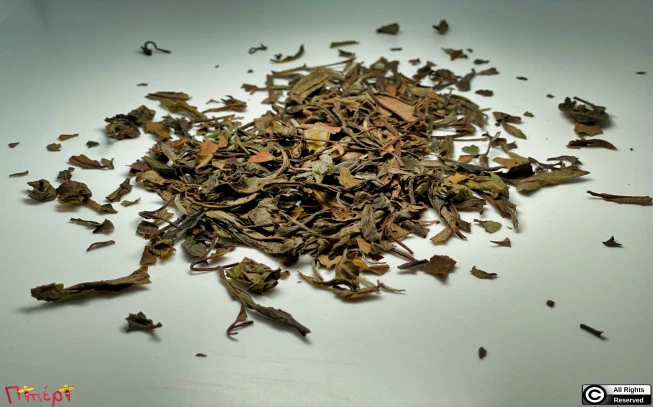
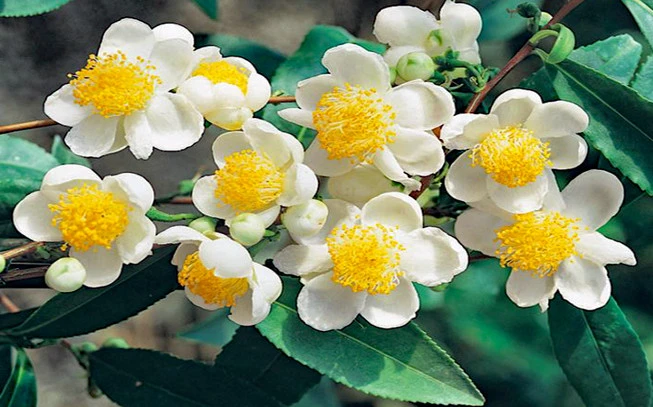
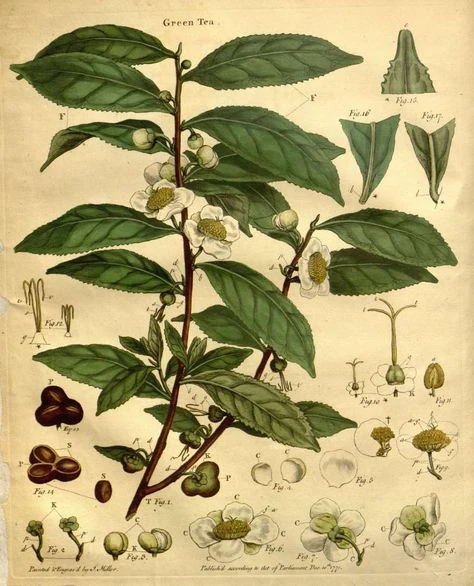
White tea, better than black and green and more delicate.
ANXIETY
ARTHRITIS
CHOLESTEROL
DIABETES
HEART
PRESSURE
SKIN DISEASES
STIMULANT
There are four types of tea: green, black, oolong (pronounced oolong) and white.
That is, tea is one: the plant Camelia Sinensis.
The 4 types of tea are due to the different processing of the leaves. This gives the special taste, color and aroma to the different types.
White tea is the least processed tea resulting in the highest levels of antioxidants.
Although white tea is the least processed variety of tea, it requires careful selection and collection. It is sensitive to taste and lacks the astringency of black and green tea.
White tea is the purest form of tea and has been shown to be healthier than black and green tea.
It is the rarest tea and is collected in the spring, only for a few days, in the mountains of Fujian Province, China.
The Bai Mu Dan (White Peony) variety is considered the best of all white tea, it has a stronger taste and is more expensive than the rest.
It consists of the first buds, before they open and are covered with a white, almost silver, fluff. while young leaves may be included.
Tea growers pick the buds and leave them for a few weeks in early spring, then quickly wither and air dry with an oven with minimal oxidation.
Unlike many green teas, white tea buds and leaves dry naturally rather than wrapped or twisted into different shapes for a fluffier texture.
The color of white tea when brewed is light yellow to light orange.
It has a distinctive aroma and a very delicate characteristic taste.
If you want you can add a little honey, which helps to release the aromas of the tea.
Therapeutic:
It has emerged two or three times more powerful than the famous green tea.
Prevention of prostate, stomach and small bowel cancer due to the flavonoids contained in white tea.
It inhibits the production of cancer cells and that it could be used in addition to medication, as it does not cause side effects.
Lowering blood pressure due to the dilution it causes in the blood is another beneficial function.
Reducing blood pressure and maintaining a steady flow of blood also prevents heart attacks.
Reducing cholesterol levels due to another group of antioxidants, catechins, is one of the benefits of consuming white tea.
People who consume it, daily, seem to have increased bone density, compared to people who do not consume it.
It is also an antibacterial and antiviral agent and "shields" the immune system.
It is a key component of the anti-aging diet, as its high content of antioxidants inhibits the destruction and degeneration of human DNA.
It fights depression, which is associated with an amino acid contained in tea, L-theanine, which when it enters the brain seems to reduce stress.
White tea slows down the growth of viruses and bacteria, greatly reducing the effects of staph infections, streptococci, pneumonia, fungi and even dental plaque.
May reduce the risk of developing rheumatoid arthritis.
It also has anti-aging action because it fights free radicals and helps in the slow breakdown of elastin and collagen and consequently in the slow appearance of our known wrinkles.
It also has the ability to lower blood sugar by reducing the symptoms of diabetes and stress in general.
How to use: Infusion.
 Filters
Is expected
Code: 173
Price: 2,00€ / 100 grams
Available
Code: 495
Price: 2,50€ / 250 grams
Available
Code: 771
Price: 12,00€ / 1,000 grams
Available
Code: 2017444427254
Price: 2,25€ / 50 grams
Available
Code: 689
Price: 5,00€ / 50 grams
Available
Code: 372
Price: 25,00€ / 50 grams
Available
Code: 153
Price: 1,75€ / 50 grams

‹
›