




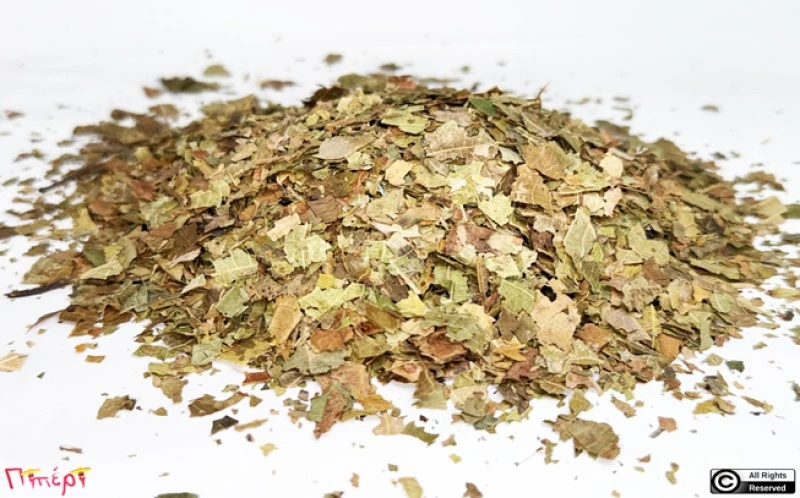
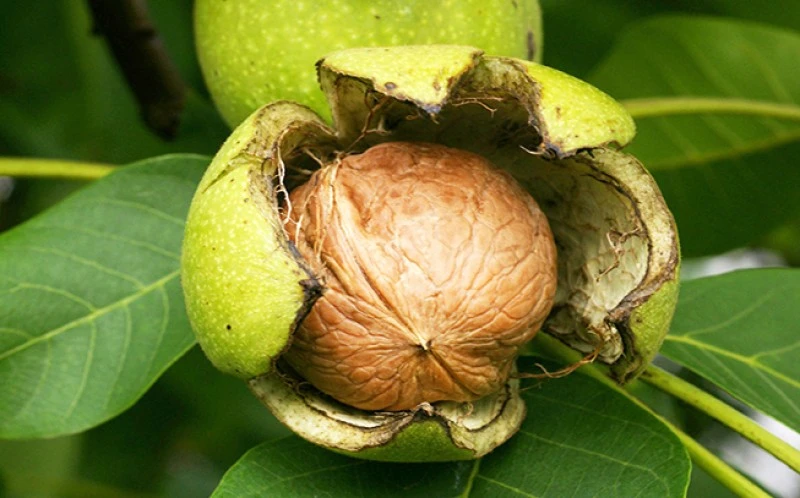
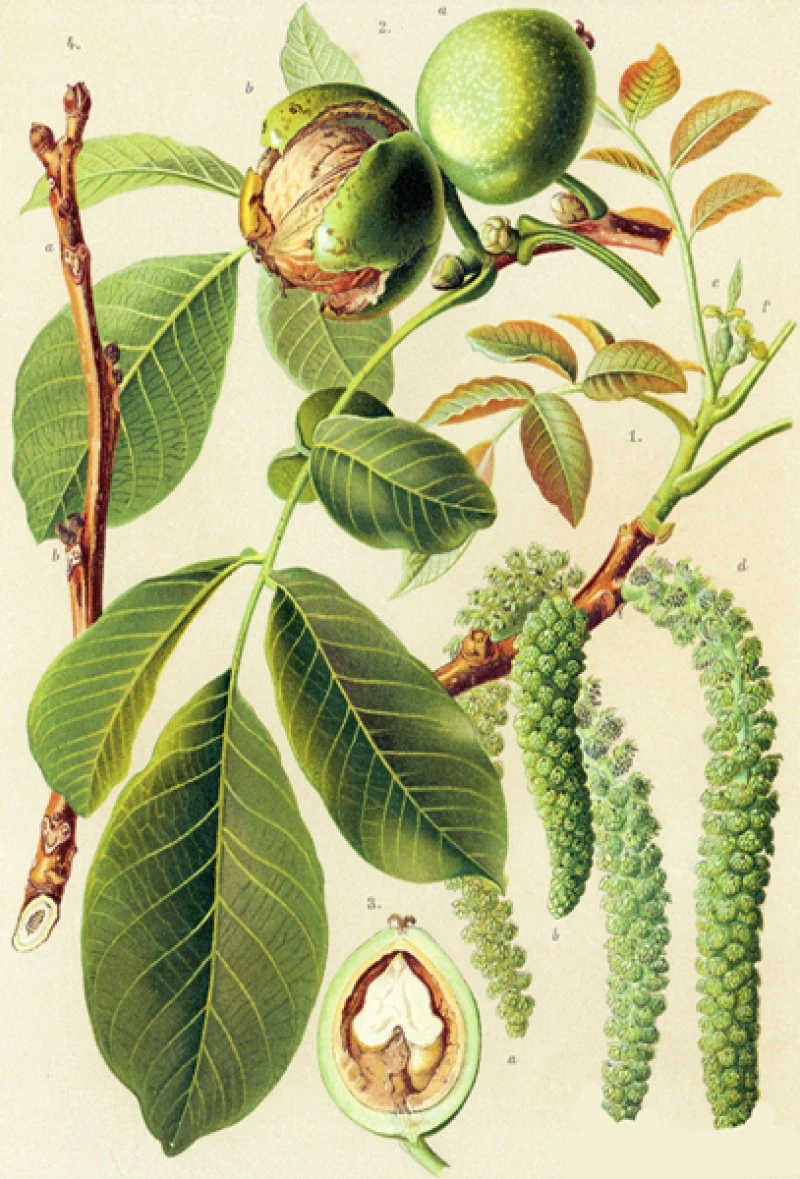
Walnut, its 7 benefits to our health.
ANEMIA
ANTIOXIDANTS
ANTISEPTICS
CHOLESTEROL
HEART
PAINS
SCALP
SKIN DISEASES
STOMACH
URINARY SYSTEM
Walnut leaves (Juglans regia) have been traditionally used in many countries for their therapeutic properties.
They are rich in antioxidant, anti-inflammatory and antimicrobial components, and have beneficial effects on several health conditions.
Let's look at the main uses of walnut leaves:
1. Anti-Inflammatory and Antioxidant Action
Walnut leaves contain polyphenols and antioxidants, which can help reduce inflammation in the body
and protect against free radicals that cause cell damage.
For inflammation: Used in conditions such as arthritis or muscle pain.
For skin health: Used topically to relieve skin inflammation or eczema.2. Natural Detoxification (Detox)
Walnut leaves have a cleansing effect on the body, helping to remove toxins.
Blood purification: Traditionally, walnut leaves are used to purify the blood, as well as to support liver function.
Diuretic effect: They help to naturally eliminate toxins through urine.
3. Digestive Health Drink
Walnut leaf tea is known for its digestive and stomach-health benefits.
For digestive problems: It can help relieve indigestion, bloating, or nausea.
For diarrhea: Traditionally, walnut leaf tea is used to relieve diarrhea and intestinal upset.
4. Antimicrobial and Antifungal Action
Walnut leaves have antimicrobial and antifungal properties, which make them useful in many cases.
For skin infections: They can be used topically in cases of fungal infections or sepsis.
For oral hygiene: They are used in mouthwashes to combat bad breath or gingivitis.
5. Natural Treatment for Alopecia (Hair Loss)
Walnut leaves can be used as a medication for alopecia.
For strengthening hair: Some traditional recipes include boiling walnut leaves and applying the extract to the scalp to promote hair growth.
6. Antioxidant Action for Cardiovascular Health
Walnut leaves contain substances that enhance heart health:
For cholesterol regulation: They help reduce bad cholesterol (LDL) and increase good cholesterol (HDL).
Improving circulation: They can help improve blood circulation and protect blood vessels from damage.
7. Soaps and Cosmetics
Walnut leaves are also used in the manufacture of natural cosmetics such as soaps and ointments,
due to their antiseptic and antioxidant properties.
How to make walnut leaf tea:
Ingredients:
1 tablespoon dried walnut leaves
1 cup hot water
Instructions:
Put the walnut leaves in a cup.
Boil the water and pour it over the leaves.
Cover the cup and let it steep for 5-10 minutes.
Strain it and drink it.
You can add honey or lemon for a more pleasant taste.
⚠️ Caution and Side Effects:
Walnut leaves are generally safe to use, but should be avoided by people with a walnut allergy.
Do not use in pregnant women without medical advice, as they may cause miscarriage in high doses.
 Filters
Is expected
Code: 173
Price: 2,00€ / 100 grams
Available
Code: 495
Price: 2,50€ / 250 grams
Available
Code: 771
Price: 12,00€ / 1,000 grams
Available
Code: 2017444427254
Price: 2,25€ / 50 grams
Available
Code: 689
Price: 5,00€ / 50 grams
Available
Code: 372
Price: 25,00€ / 50 grams
Available
Code: 153
Price: 1,75€ / 50 grams
Available
Code: 154
Price: 3,50€ / 100 grams

‹
›