






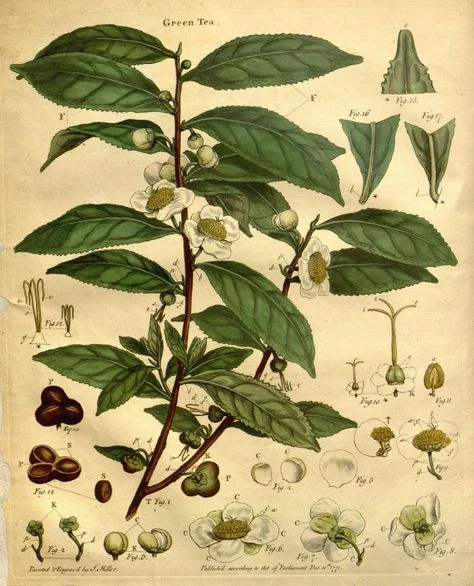
Tea, a word that hides in millennia of history and culture.
ANXIETY
BRAIN FUNCTIONS
DIGESTION
GYNECOLOGICAL
HEART
ORAL HEALTH
PRESSURE
STIMULANT
Ceylon tea, as its name implies, is grown for most of its production in Ceylon, but also in Japan, Java and other surrounding areas.
It is the leaves of a plant that the Chinese infused. From 2700 BC. that is, for 4500 years.
180 years ago Lord Arlington convinced the King of England of the important properties of tea and since then its use has spread throughout England, something that is still true today, but also throughout Europe.
The most popular beverage in the world after water.
Black tea is made from the leaves of a shrub called Camellia sinensis. In a process called oxidation, the leaves are artificially converted from green to dark brown-black. This oxidation means that the leaves are exposed to air that is rich in moisture and oxygen.
Tea growers can control the intensity of oxidation.
Black tea is generally stronger in taste than other teas and retains its flavor for several years.
Therapeutic:
Black tea is a source of antioxidants, such as polyphenols, which help reduce DNA damage from free radicals. The same ingredients also help treat hearing problems and fight Parkinson's disease.
The main compound of black tea that strengthens the body's defenses is alkylamine antigens. Tannins in black tea also protect against common ailments such as colds and flu
L-theanine compounds in black tea reduce cortisol levels in the body, reducing stress
Daily consumption of black tea maintains the health of the digestive system, due to its high content of tannins.
Black tea has been shown to help maintain healthy teeth, as it reduces the growth of bacteria and reduces plaque buildup. The polyphenols in black tea kill harmful bacteria.
Black tea helps boost blood flow to the brain. The moderate amount of caffeine it contains causes alertness, increases metabolism and improves brain function.
It is considered effective in the prevention and treatment of cancer, because it prevents the formation of cancer cells. The chemical compounds TF-2 in black tea lead cancer cells to apoptosis, which automatically leads to their death.
Research shows that women who drink black tea regularly have a much lower risk of ovarian cancer than women who do not drink black tea.
The antioxidants in black tea remove free radicals, which are the main causes of increased blood clotting, atherosclerosis and cancer.
Black tea lowers triglycerides and bad cholesterol levels in the blood, which contributes to better heart health.
Also, more and more scientific findings suggest that the antioxidants in black tea can reduce atherosclerosis (clogged arteries), especially in women. They can also reduce the risk of heart attack.
Black tea is high in caffeine. It also contains an amount of a substance called theophylline. These two substances can speed up your heart rate and make you feel more alert.
Black tea is also rich in polyphenols. Polyphenols are antioxidants that can help protect your cells from DNA damage.
Long-term consumption of black tea can also help protect against osteoporosis and lung cancer.
Finally, research shows that black tea increases metabolism and blood pressure.
Regular consumption of black tea can also reduce the risk of the following diseases:
Diabetes
High cholesterol
Kidney stones
Parkinson's disease
Properties : It is a stimulant and tonic of the body and the brain, effect on the nervous system giving a feeling of well-being. Vasodilator, instead of arteriosclerotic, relieves nervous headache, astringent, at ease. With washes in the eyes, the barley leaves.
Active ingredients : Caffeine, tannin, essential oil, tein, theophylline, theobromine, pantothenic acid, minerals.
How to use : Infusion.
Side effects:
Consuming large amounts of black tea (more than 4-5 cups a day) can cause health problems. This is mainly due to the caffeine that is associated with many side effects.
Side effects of black tea may include:
Increased stress and difficulty sleeping
Fast breathing
Headache
Increased urination
Irregular heartbeat (arrhythmia)
Nausea and vomiting
Nervousness and anxiety
Ringing / buzzing in the ears
Trembling
 Filters
Is expected
Code: 173
Price: 2,00€ / 100 grams
Available
Code: 495
Price: 2,50€ / 250 grams
Is expected
Code: 771
Price: 12,00€ / 1,000 grams
Available
Code: 2017444427254
Price: 2,25€ / 50 grams
Available
Code: 689
Price: 5,00€ / 50 grams
Available
Code: 372
Price: 25,00€ / 50 grams
Available
Code: 153
Price: 1,75€ / 50 grams

‹
›