




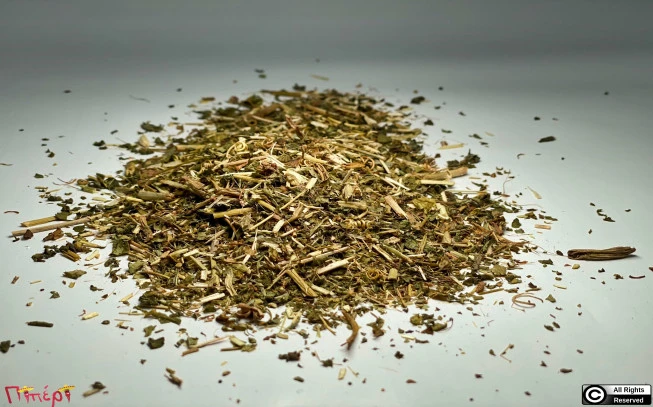
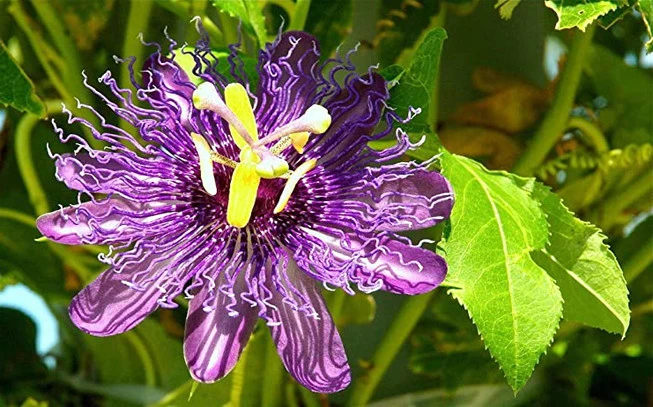
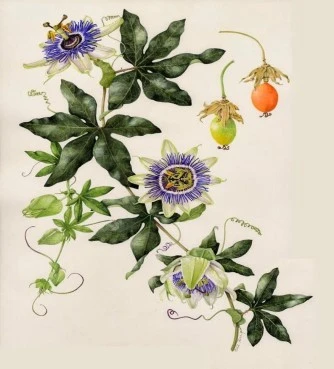
Passiflora, the flower of passion that overcomes melancholy.
ANTI-DEPRESSIONS
ANXIETY
DETOXIFICATION - NUTRITION
DIABETES
HEART
PAINS
RESPIRATORY
STOMACH
VENUS STIMULATORS
Native to the forests of the eastern United States, used by North American Indians for edema, fungal infections, and as a blood tonic.
It is currently used to treat neuralgia and anxiety as well as congenital disorders, melancholy and depression, epilepsy, insomnia, hysteria and other neurogenic disorders.
Leaves and fruits contain various flavonoids, which have strong antioxidant activity.
It has sedative properties and hypnotic action without side effects on other bodily functions.
This mild sedative is also useful in treating other disorders of the nervous system such as hysteria, delirium, nervousness and anxiety.
Helps treat disorders such as Parkinson's disease and epilepsy and seizures.
It offers serious help to the heart - restores it to normal levels of function - as it works as a sedative and against the cardiovascular nerve which is the condition resulting from stress and anxiety with an increase in blood pressure, large rhythmic changes in the heart, sweating and palpitations.
Helps people addicted to drugs and alcohol.
These people are usually possessed by severe deprivation syndrome, and symptoms of anxiety and worry that lead them back to drug or alcohol use.
Passionflower provides relief from these symptoms. Helps decongest nerves, and helps treat sleep problems.
It also helps in detoxification from psychotropic drugs that have other side effects.
Contains a flavonoid called chrysin with strong anti-inflammatory properties. It is useful for reducing inflammation and pain.
It has been used to treat asthma, bronchitis and pertussis.
It works as an expectorant for irritating dry cough. Suppresses cough.
Contains anti-asthmatic properties helping to relieve asthma symptoms.
It has aphrodisiac properties that help increase libido and manhood. Passionflower can also help relieve performance anxiety.
Helps the nervous stomach and gastrointestinal spasms resulting from stress.
It also acts biochemically as an anthelmintic to remove worms and parasites from the intestine.
Passionflower extract provides properties for lowering blood sugar and lipids.
It has shown strong anti-cancer properties and helped in the research of cancer treatment. It also helps inhibit the growth of breast cancer cells, as found in studies.
It has been used to treat menstrual disorders. Menstruation, adolescence, menopause, childbirth and breastfeeding are often associated with hormonal changes. Often these periods are associated with psychological changes, such as mood swings and stress. It can be applied topically to the skin to treat burns, wrinkles, hemorrhoid inflammation, headache, fibromyalgia and other aches and pains. Infusion : For period pains, insomnia, headaches, hypertension. Tincture : For hypertension, hypertension, to reduce the severity of seizures of Meniere's disease. Liquid distillate : To soothe the pain of shingles for toothache. Action : Analgesic, antispasmodic, bitter, cold, hypotensive, sedative, cardiotonic, relaxing blood vessels. Basic Ingredients : benzoflavone, flavonoids (routine, apigenin), glycosides, alkaloids. How to use : Infusion, Tincture, liquid distillate, pills, capsules. Side effects: In large doses it may lead to central nervous system depression and slow heart rate or even arrhythmias. In case of pregnancy, it may cause uterine contractions and behavioral dysfunction in the offspring.
Passionflower helps regulate female hormones, relieve pain and stress in case of PMS, dysmenorrhea and menopause.
Topical application
 Filters
Is expected
Code: 173
Price: 2,00€ / 100 grams
Available
Code: 495
Price: 2,50€ / 250 grams
Available
Code: 771
Price: 12,00€ / 1,000 grams
Available
Code: 2017444427254
Price: 2,25€ / 50 grams
Available
Code: 689
Price: 5,00€ / 50 grams
Available
Code: 372
Price: 25,00€ / 50 grams
Available
Code: 153
Price: 1,75€ / 50 grams

‹
›