




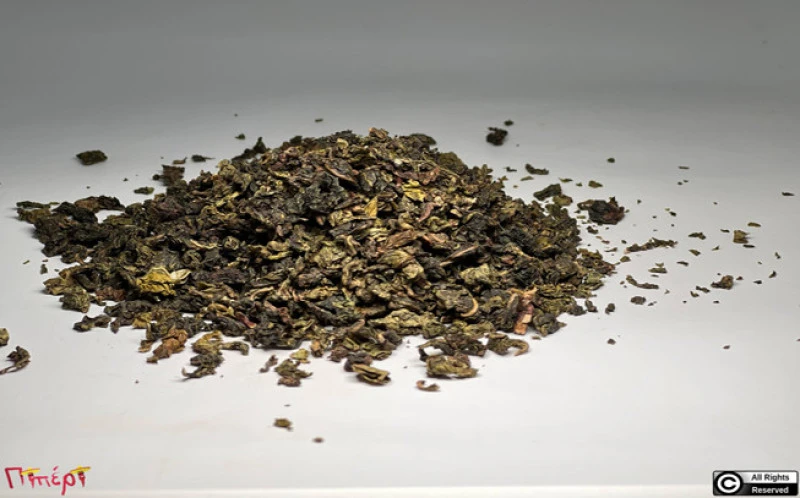
Oolong tea, with incredible benefits for our health.
ANTIOXIDANTS
BRAIN FUNCTIONS
DIABETES
FAT BURNING – WEIGHT LOSS
HEART
ORAL HEALTH
SKIN DISEASES
Oolong tea is a traditional Chinese tea.
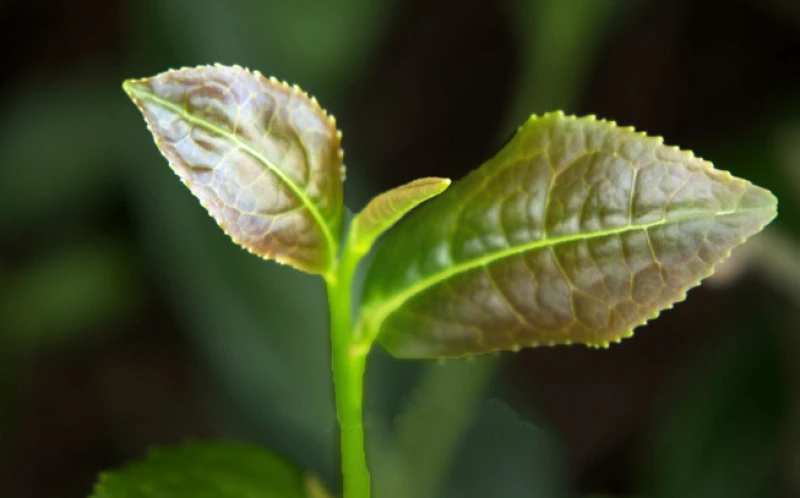
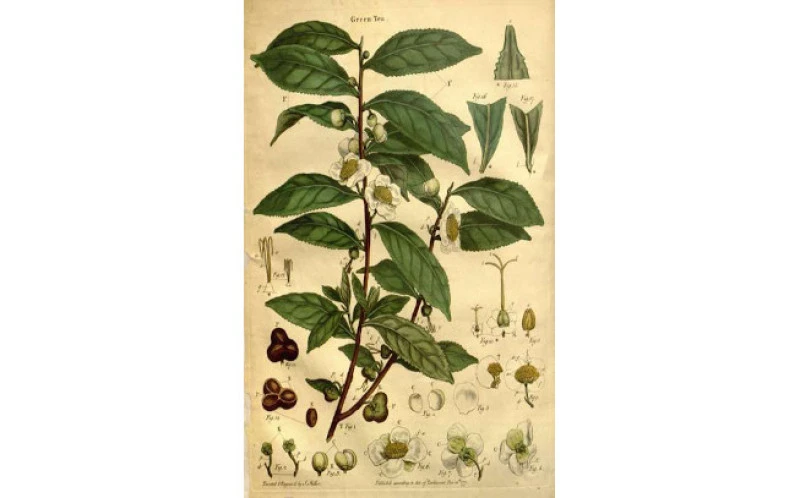
It is made from the leaves of the plant Camellia sinensis, the same plant used to make green and black tea. The difference is in the way the tea is processed.
The oxidation process is what creates green, dark or oolong tea.
Green tea is made from fresh, non-oxidized tea leaves, a chemical reaction that begins when the leaves are exposed to the air and is responsible for the color and taste of different types of tea. Black tea is made when the leaves are completely crushed to enhance oxidation and oolong is made when the leaves wither in the sun and are slightly bruised to create partial oxidation.
1. Rich in nutrients
Like black and green tea, oolong tea contains many vitamins, minerals and beneficial antioxidants.
One cup of oolong brewed tea contains small amounts of calcium, magnesium and potassium. It also contains about 38 mg of caffeine. By comparison, a cup of green tea contains about 29 grams of caffeine.
Some of the main antioxidants in oolong tea, known as tea polyphenols, are theaflavins, thearubigins and EGCG. These are responsible for many of its health benefits.
Oolong tea also contains L-theanine, an amino acid that has been shown to have positive effects on relaxation and cognitive performance.2. Oolong tea can help protect against diabetes
In general, tea has been shown to help protect against diabetes and the complications of diabetes, possibly by reducing insulin resistance and reducing inflammation, among other mechanisms.
Respectively, a study from 2021 and a review from 2019 report that they are linked between regular tea consumption, improved blood sugar management and a lower risk of developing type 2 diabetes.
The polyphenol antioxidants in oolong tea can help maintain normal blood sugar levels and reduce the risk of developing type 2 diabetes.
3. Oolong tea can improve heart health
Regular consumption of tea antioxidants can also improve heart health.
Several studies in people who drink tea regularly show reduced blood pressure and cholesterol levels, as well as a reduced risk of heart disease.
Oolong tea may help reduce the risk of heart disease, stroke and high blood pressure in some people, but more research is needed.
4. Oolong tea can help with weight loss
Tea consumption and weight loss have long been linked. and indeed, many studies show an association between bioactive compounds in tea and weight loss or obesity prevention.
The combination of caffeine and polyphenols found in oolong tea can help increase the specific inhibition of enzymes and the number of calories burned each day. This could ultimately help with weight loss.
5. Oolong tea can improve brain function
Recent reviews show that drinking tea can help maintain brain function and memory, and possibly protect against age-related decline.
In fact, many of the ingredients in tea can benefit brain function.
For starters, caffeine may increase the release of norepinephrine and dopamine. These two brain messengers are believed to benefit mood, attention and brain function.
Further research shows that theanine, an amino acid in tea, can also help stimulate attention and relieve stress.
6. May help protect against some cancers
Scientists believe that the antioxidants in black, green and oolong tea can help prevent cell mutations that can lead to cancer in the body.
Tea polyphenols can also reduce the rate of cancer cell division.
Over the years, there have been many studies investigating the link between tea consumption and a reduced risk of certain cancers, including cancers of the lung, esophagus, pancreas, liver and colon.
Similar to green and black tea, oolong tea can have protective effects against cancer.
7. Oolong tea helps strengthen teeth and bones
The antioxidants in oolong tea can help keep your teeth and bones strong.
One study found that people who drank black, green or oolong tea daily for 10 years had a 2% higher overall bone density.
Several other reviews report similar positive effects of tea on bone density.
Higher bone density could reduce the risk of fractures.
Finally, research has linked tea consumption to better dental health, including reduced plaque and gingivitis, which equates to healthier teeth overall.
8. Oolong tea can help relieve eczema
Both black and green tea have been studied for their ability to help relieve the symptoms of atopic dermatitis, otherwise known as eczema.
The polyphenol antioxidants in oolong tea can help relieve the symptoms of eczema and the improvements can last for a long time.
Side effects
Oolong tea has been consumed for centuries and is generally considered safe.
That being said, it contains caffeine.
When consumed in excessive amounts, caffeine can lead to anxiety, headaches, insomnia, irregular heartbeat and in some cases, high blood pressure.
 Filters
Available
Code: 2016838856816
Price: 7,50€ / 50 grams

‹
›