




Paprika the red treasure.
ARTHRITIS
CHOLESTEROL
DIGESTION
HEART
KIDNEYS
The word paprika is Slavic and, according to Babiniotis, is an anti-loanword from "papar" which in turn comes from the ancient Greek pepper, ie pepper.
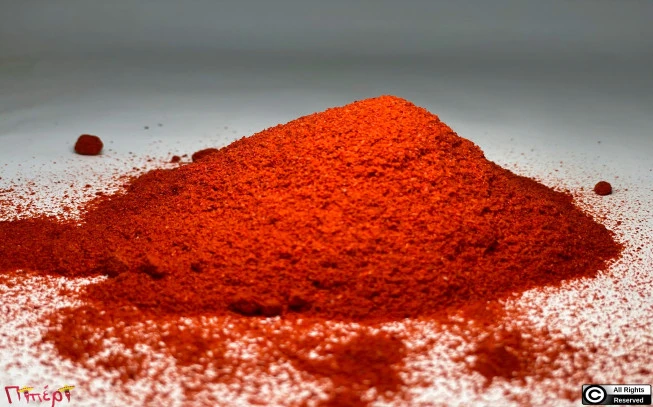
Paprika is a fine pepper powder, usually red, imperceptibly hot, with great aroma and color intensity.
In fact, it is intensely baptismal and not only for food. Like yellow root, it is used by industry for coloring.
It contains vitamin C and is the one that allowed it to be "isolated" by scientists.
It is a spice with a mild, slightly sweet (obviously) and flexible taste, which does not make the food more spicy.
Suitable for potato salads, stuffed eggs, rice, sauces, cheese, eggs, grilled chicken wings or shrimp with red sauce.
Paprika gives tone to tomato sauces, it is the main ingredient of Hungarian goulash and continental beef.
It has a very good relationship with meat, white cheeses, eggs, poultry, minced meat and fish.
When smoked it gives a plus to delicacies, especially marinades.
Indians and Arabs are accustomed to putting spices at the beginning of cooking and even in the fat. It is generally correct, but in the case of paprika it needs attention, as it contains sugars that burn easily at the risk of making the food bitter.
Therapeutic:
With just 19 calories per tablespoon, paprika only adds a negligible amount to your daily calorie intake, but it is packed with nutrients. Just one serving of 1 tablespoon provides plenty of nutrients and especially carotenoids, which contain plenty of vitamin A.
Paprika substances in particular, lutein and zeaxanthin act as antioxidants and prevent eye damage.
Paprika contains the valuable substance capsaicin, which binds to the receptors on our nerve cells and reduces inflammation. That's why it protects against a variety of anti-inflammatory and autoimmune diseases, such as arthritis, nerve damage and digestive problems.
Capsanthin, a carotenoid found in paprika, raises HDL cholesterol levels, which is associated with a reduced risk of heart disease.
The carotenoids in paprika can also help lower the levels of total and LDL cholesterol associated with an increased risk of heart disease.
Various paprika carotenoids, such as beta carotene, lutein and zeaxanthin, have been shown to fight oxidative stress, which is thought to increase the risk of certain cancers.
Paprika is rich in iron and vitamin E, two micronutrients vital to a healthy circulatory system.
 Filters
Available
Code: 153
Price: 1,75€ / 50 grams
Available
Code: 279
Price: 1,20€ / 100 grams
Available
Code: 287
Price: 2,00€ / 100 grams
Available
Code: 402
Price: 1,20€ / 100 grams

‹
›