




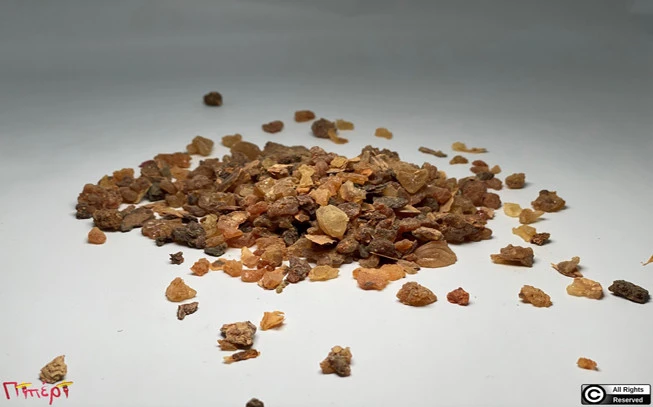
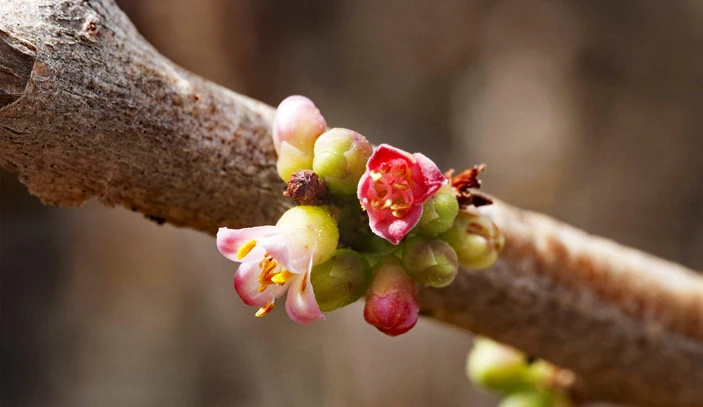
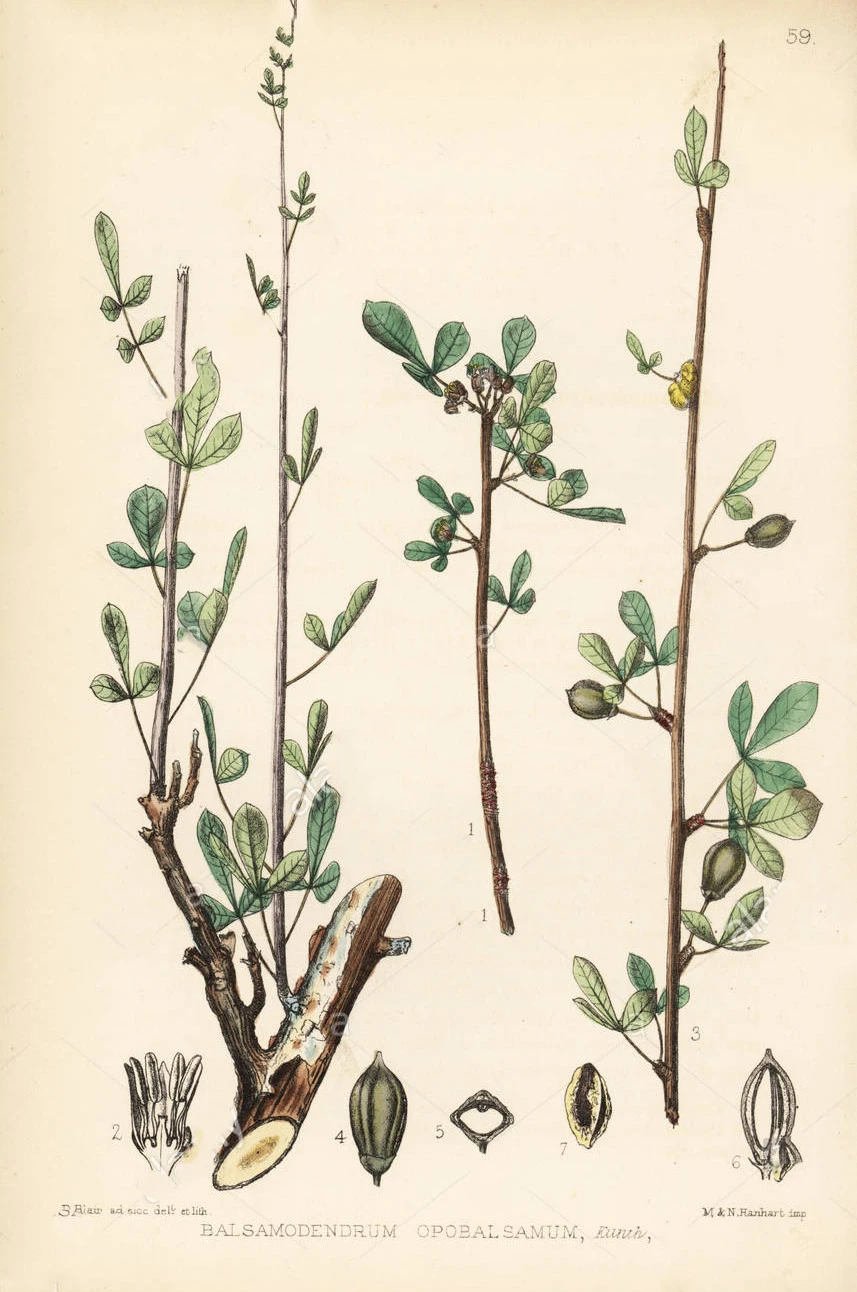
Smyrna, a gold for the gods.
ORAL HEALTH
PAINS
SKIN DISEASES
Myrrh can be a powerful antioxidant, a compound that fights oxidative damage.
Oxidative damage from free radicals contributes to aging and certain diseases.
The ancient Egyptians used myrrh and other essential oils to put on mummies, as the oils not only provided a pleasant aroma but also slowed down the decomposition. Scientists now know that this is because oils kill bacteria and other germs.
In addition, in biblical times, myrrh incense - often in combination with frankincense - was burned in places of worship to help purify the air and prevent the spread of communicable diseases, including those caused by bacteria.
A recent study found that burning myrrh and frankincense incense reduced the number of bacteria in the air by 68%.
Due to its antimicrobial properties, it is traditionally used to treat oral infections and inflammation.
Some natural mouthwashes and toothpastes contain myrrh oil, which has been approved by the FDA for flavoring.
In addition, when people with Behcet's disease - an inflammatory disorder - used a mouthwash to treat painful sores four times a day for a week, 50% of them had complete pain and pain relief. 19% had complete healing of their mouth sores.
Traditional uses of myrrh include healing wounds and skin infections.
Avoid spreading it near babies and young children, as it is uncertain how much they will inhale and how safe.
Pregnancy and breast-feeding: Avoid myrrh if you are pregnant, as it may cause uterine contractions and may cause miscarriage. Also, avoid if you are breast-feeding, as the safety of your baby is not known.
Blood-thinning medicines: Do not use myrrh if you are taking blood thinners, such as warfarin, as it may reduce their effectiveness.
Heart problems: Large amounts of myrrh can affect your heart rate.
 Filters
Available
Code: 372
Price: 25,00€ / 50 grams

‹
›